Why Is That House in Japan So Cheap? Rebuild Bans, Leasehold Land, and Other Red Flags
Sooner or later, every buyer browsing Japanese listings finds one that seems too good: a real house, in a real city, for the price of a used car. Sometimes the explanation is boring: a soft rural market, an heir who wants a quick sale, cosmetic ugliness. And sometimes the house is cheap because of a legal condition that will still be there in thirty years, no matter how much you renovate.
USD equivalents of yen figures are approximate, using ¥154 per US$1 for illustration. Yen amounts in parentheses retain the original figures; actual exchange rates and card charges vary.
Why are houses in Japan so cheap?
Mostly because the building, not the land, loses value: Japan's tax tables give a wooden house a useful life of 22 years, so older homes often sell for little more than their land. Rural demand keeps falling. And some listings are cheap for reasons no renovation fixes: a rebuild ban, leasehold land, or zoning that restricts new building.
The difference is usually printed right on the listing, in a handful of Japanese terms. Here is what they mean and how much they should scare you.
再建築不可: confirm the rebuild restriction before you buy
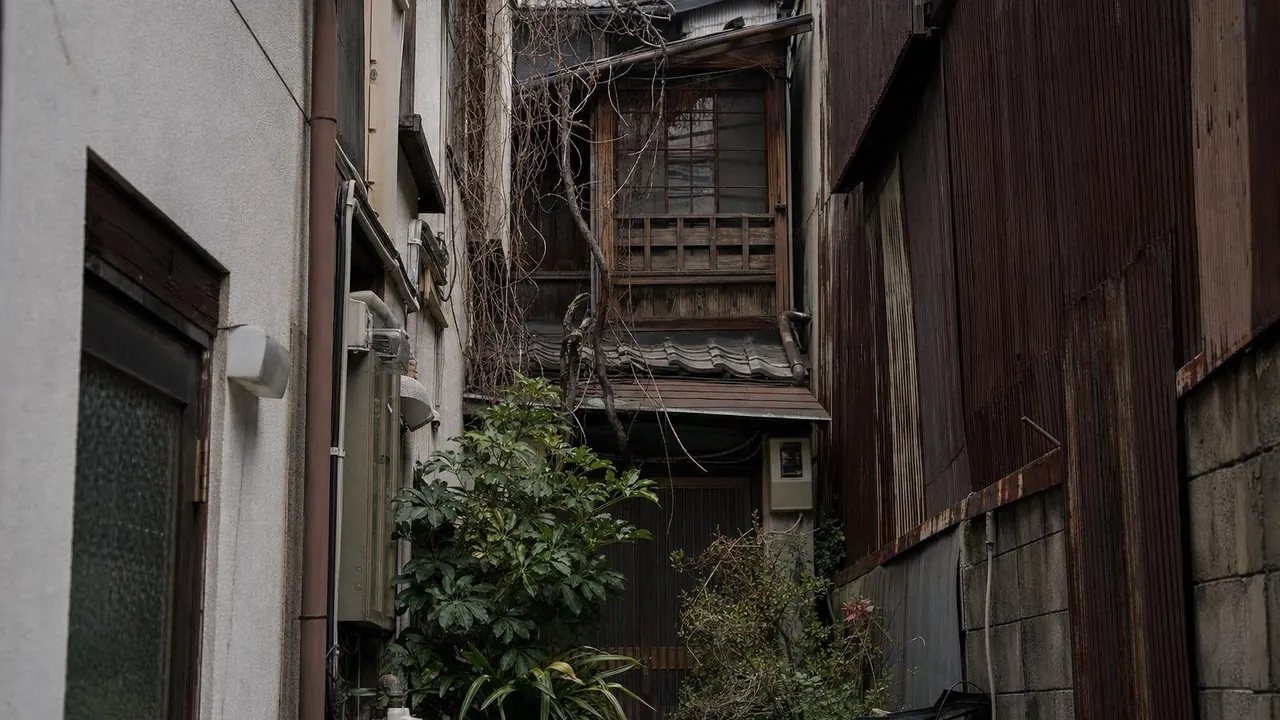
Saikenchiku-fuka means "rebuilding not permitted" in the listing. Treat it as a reason to request a property-specific explanation before committing. Where the Building Standards Act's road-access rules apply, the general starting point is at least 2 meters of frontage on a qualifying road, normally at least 4 meters wide. Width alone does not settle the question: designated narrow roads, setbacks and permission routes can change the position.
Ask the municipality to confirm the road classification, frontage, required setbacks and whether your proposed work would be permitted. Kyoto's official road FAQ illustrates why some narrow roads qualify and why other sites need a specific permission. Those examples do not establish eligibility for a property elsewhere.
Do not assume that occupation or a planned renovation is lawful just because the house already exists. Restrictions can affect financing, insurance and resale; obtain answers for the particular property and your intended use. If your plan depends on rebuilding, resolve that question before purchase rather than budgeting for an assumed future permission.
Some designated narrow roads carry a setback (セットバック) requirement. Confirm the actual boundary and usable site area with the municipality and a qualified professional. It is not enough to subtract a strip from the advertised area yourself.
借地権: you're buying the house, not the land
Shakuchiken means leasehold: the building is yours, the land belongs to someone else, and you pay ground rent. Leasehold properties list dramatically cheaper than freehold (所有権) neighbors, which is exactly why they catch the eye.
What the low price buys you: monthly land rent, renewal fees every few decades, the landowner's consent (and often a fee) for rebuilding or major alterations, and, for foreign buyers, an extra layer of difficulty on financing that is already hard to get, as we covered in the mortgage and tax primer. Older contracts under the old Land Lease Law can be quite tenant-protective, but "protective" still isn't "yours."
Leasehold isn't a scam. It's common, especially in temple-owned districts of Kyoto and central Tokyo. But when comparing prices, you are not comparing like with like. A US$32,468 (¥5 million) leasehold next to a US$97,403 (¥15 million) freehold is not two-thirds cheaper; it is a different product.
Which kind of leasehold matters enormously: an old renewable one is a very different proposition from a fixed term running down toward a demolition obligation. The full leasehold guide covers the regimes, the consent fees, and why lenders hesitate.
市街化調整区域: the countryside zoning trap
Shigaika chōsei kuiki (urbanization control areas) are zones where new development is deliberately suppressed to prevent sprawl. Farmhouses here can be strikingly cheap, and the catch is administrative: rebuilding or significantly altering the house may require special permission that depends on who you are (some rights attach to farming households) and what came before. Utilities can be far away, and future buyers face the same maze, another permanent liquidity discount. If the listing mentions 調整区域, budget a serious conversation with the municipality before offering.
Other lines worth decoding
- 告知事項あり ("matters to disclose"): often a death in the property, sometimes crime or suicide. Culturally significant in Japan, materially discounted, personally your call.
- 未登記 parts or unclear boundaries: unregistered extensions and un-surveyed lot lines are fixable, but fixing them costs money and cooperation from neighbors or heirs.
- 私道負担: part of the "land" is actually a share of a private road. Fine when documented, messy when the road's other owners disagree about repairs.
- Structural honesty: sometimes the discount is simply the building. Termites, subsidence, and a pre-1981 frame are their own topic; see the earthquake standards guide and the kominka renovation budget guide.
The 重要事項説明 is your safety net, so use it early
A transaction handled by a licensed real-estate business includes the required jūyō jikō setsumei (explanation of important matters) before contract. Request the draft and supporting documents early, in a form you can understand. The MLIT buyer guidance explains the process. This disclosure is not a structural inspection or a guarantee that every uncertainty has been resolved.
When a price looks unusually low, start with three requests: Please confirm the road-access and rebuild position with the municipality. Please identify the land and building rights in the registers. Please confirm the zoning and restrictions on my intended use. Record missing evidence and allow time for the relevant authority or professional to check it.
Use the four checks for a cheap or zero-yen house to collect the remaining documents, then compare current akiya listings without an account. Asking prices help you find candidates; the documents and inspections establish what you would be taking on.
Further Reading
- Road access and local permission criteria (Kyoto Prefecture, Japanese)
- MLIT consumer guidance on property transactions
Road-access and disclosure sections reviewed September 6, 2026.
Next practical guide: Private Roads and Rebuilding in Japan: Four Separate Checks.